
Supporting the Coaching Environment
Updated: Feb 25
Learning from National Research
National research has reported elevated levels of anxiety and depression among UK swimming coaches. While Bluefins does not reflect these findings, the study offers a timely reminder that coaching carries demands that deserve recognition and support.
The research, published in The Sport Psychologist by Nottingham Trent University and funded by the British Swimming Coaches Association, called for greater attention to coach wellbeing across the sport.
Understanding the Real Pressures
Aquatic coaching carries demands that are not always visible from poolside. Sessions require preparation, programmes require planning, and communication with swimmers, players and parents continues beyond poolside hours.
At Bluefins, all coaches operate part-time and almost all balance coaching alongside professional careers, study or family responsibilities. Early mornings, late evenings and weekends are often given to the club, and that commitment deserves recognition.
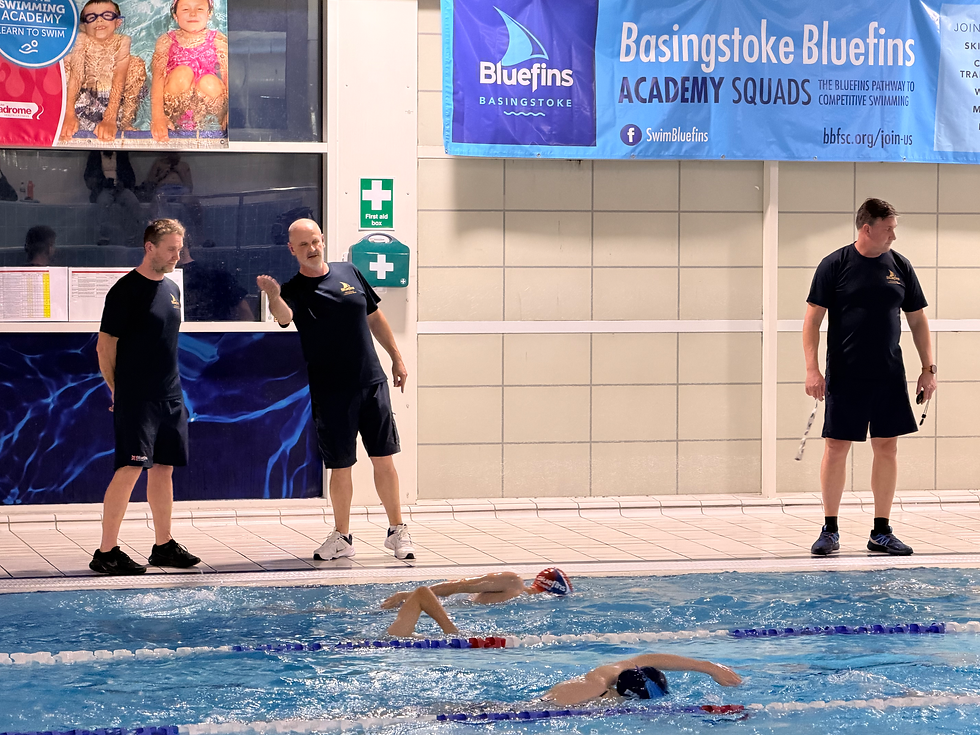
Whether in swimming lanes or water polo sessions, the role extends beyond technical instruction. Coaches oversee development, welfare, culture and long-term progression within limited time windows. Even within a stable environment, workload can accumulate quietly if expectations grow without shared support.
The national study identified themes that can affect coaches in any setting:
Feelings of isolation
Imbalance between demands and available time
Strained working relationships
Limited awareness of support services
These themes are not signs of failure. They are common pressure points in volunteer-led and part-time coaching environments.
Why Awareness Matters at Bluefins
The absence of visible issues is not a reason for complacency. It is a reason for awareness.
Bluefins has expanded in membership and programme breadth across swimming and water polo, including Skills Academy, Development, Inclusive & Disability, Performance, Fitness, Junior Masters, Masters, Water Polo and open water swimming. As opportunities grow, so too does the need to ensure coaching remains sustainable.
This includes:
Maintaining sustainable coach to swimmer and player ratios
Encouraging collaboration across squads rather than isolated delivery
Recognising the time commitment required beyond session hours
Alongside this cultural awareness, the club continues to invest in structured coach learning and qualification progression, ensuring that leadership capacity grows in line with pathway demand.
Applying Development Principles to Coaches
Bluefins aligns its swimmer pathway with the Optimal Athlete Development Framework, which emphasises developing the person, the athlete and the performer over time.
The same thinking applies to coaches.
Development extends beyond qualifications. It includes communication, confidence, judgement and the ability to manage workload sustainably. Coaches require mentoring, feedback and clarity of expectation.
Applying structured development principles reduces reliance on individuals and strengthens collective ownership. Enhancing the coaching environment therefore mirrors the approach already used to guide athlete progression.
How Bluefins Supports Its Coaches
These practices are embedded in how the club operates.
Supporting the coaching environment at Bluefins includes:
Maintaining coach to swimmer and player ratios that allow meaningful feedback
Expanding the coaching team to distribute workload rather than concentrate it
Sharing planning and pathway decisions across disciplines
Mentoring junior volunteers before progression into formal qualifications
Investing in formal coaching qualifications alongside informal mentoring
Recognising the part-time nature of coaching and setting reasonable expectations
Encouraging open, professional dialogue within the coaching team
Culture Protects Wellbeing
When coaches feel connected to colleagues, clear about expectations and supported in decision-making, wellbeing improves. When workload narrows to a few individuals, pressure increases.
The national research does not suggest that aquatic sport is broken. It reminds clubs that coaching carries demands that are often unseen.
At Bluefins, recognising that commitment and respecting the time given by coaches across swimming and water polo is part of protecting the long-term health of the club.

Written by Spencer Turner - Head of Swimming, Basingstoke Bluefins Swimming Club
